DUI.ms – Powered by Eichelberger Law Firm, PLLC

NEED DUI HELP? CALL US NOW: 601-708-8280

Author: J. Matthew Eichelberger

  • The DUI Investigation Mistake That Could Help Your Defense in Mississippi

    The DUI Investigation Mistake That Could Help Your Defense in Mississippi

    Intro

    In the DUI cases we handle, I’m seeing DUI officers make a certain mistake more and more often lately. In fact, this mistake is so common with a few Mississippi law enforcement agencies that you could say it might even be their policy. That mistake centers on the improper use of and reliance upon the Preliminary Breath Test, or PBT. The officers are using it at the wrong stage of the DUI investigation and creating reasonable doubt left and right as a result.

    What is a PBT?

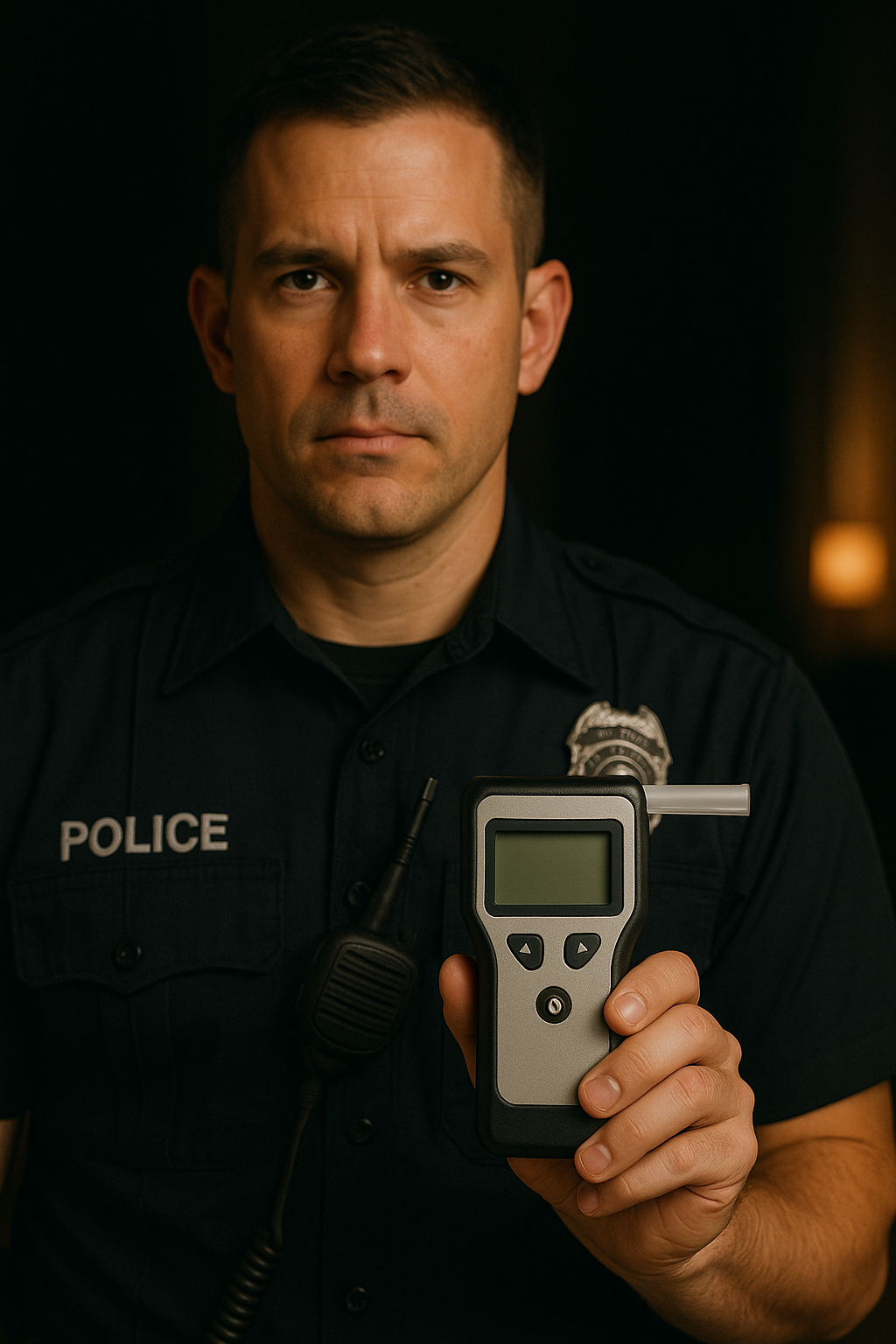
    Before I go any further, let me explain what a PBT is. The PBT, which we sometimes call a handheld, is a small device about the size of a cell phone. It is a portable breath testing machine. Now, the Intoxilyzer is the larger, mounted device that is the one used after arrest to get a person’s BAC. That’s not what we’re talking about here. The PBT is smaller and less reliable. The numbers it gives are not admissible in court in Mississippi. It is just an indicator that there is alcohol in a person’s system.

    NHTSA Training

    DUI officers across the country are all taught the same way, using training manuals created by the National Highway Traffic Safety Administration, or NHTSA. The methods of DUI detection taught in the NHTSA have been developed over a half century of at least somewhat scientific study. These investigative methods have very specific rules to them, and when those rules are followed, NHTSA says the results can provide probable cause to arrest someone for DUI.

    The manual that each officer is trained on, which we call “the NHTSA manual,” is also very specific about when an officer is to use the PBT. The current NHTSA manual, which was published in 2023, tells us SIX different times that the PBT should be used AFTER the officer completes the Standardized Field Sobriety Tests. Not BEFORE those tests, but AFTER those tests.

    Why is that? The officer is to properly use the three Standardized Field Sobriety Tests – the HGN test, the Walk and Turn, and the One Leg Stand – to figure out whether the driver is impaired. AFTER the officer has established that the driver is impaired, he THEN uses the PBT to gather evidence that alcohol is the reason for the impairment that he has already established. This specifically is spelled out on Page 18 of Session 7 in the NHTSA manual.

    The Common Mistake in DUI Investigations

    Too often we are seeing officers asking “have you had anything to drink tonight?” and if the answer is yes, sticking the PBT in the driver’s face and just saying “blow in this.” Then they are making the arrest with that as the basis. That is directly contrary to the NHTSA manual and turns DUI investigation upside down. There is no evidence of impairment, and NHTSA itself says that is not what an officer should base a DUI arrest on.

    Conclusion

    If you or a loved one are facing a DUI in Mississippi, reach out to us and let us help you. DUI cases are not nearly as cut and dried as people make them out to be, and in fact they can be extremely complex. The consequences can be extreme, too. But don’t worry. Our firm has decades of experience representing people in courts across Mississippi. From the Coast to the Jackson Metro to the Memphis suburbs and everywhere in between, we’re here to help. Give us a call today at the Eichelberger Law Firm and let us go to work for you.


  • Why You Might Feel “Sober” But Still Be Over the Limit: Understanding the Mellanby Effect

    Why You Might Feel “Sober” But Still Be Over the Limit: Understanding the Mellanby Effect

    Here’s the scenario: You’ve had a few drinks, waited a bit, and now you feel okay to drive. You’re alert, steady, and confident. Then you see blue lights in your rearview mirror—and your blood alcohol concentration (BAC) still reads over the legal limit. What gives?

    This isn’t just a matter of bad luck or faulty equipment. What you may have experienced is a well-documented scientific phenomenon called the Mellanby Effect. It is important to understand this concept so that you can make informed decisions about when it’s safe to drive, and what your BAC might be if you decide to give a breath sample.

    What Is the Mellanby Effect?

    Named after British physician Edward Mellanby, who first studied the effect in 1919, the Mellanby Effect refers to the difference in how impaired someone feels as their BAC is rising versus when it’s falling—even if the BAC level is exactly the same at both points in time.

    In plain English? You often feel more drunk while your BAC is rising than you do at the same BAC level on the way down. This is why someone may feel “sober” or “fine to drive” even though they’re still over the legal limit.

    Here’s an example:

    Let’s say your BAC is 0.08%—the legal limit in Mississippi. On your way up to that BAC, you may feel tipsy, relaxed, or uncoordinated. But later, as your BAC declines to 0.08%, you might feel sharper and more in control. Unfortunately, your body doesn’t functionally sober up just because you feel better.

    Why It Matters in a Mississippi DUI Case

    In Mississippi, DUI charges can be based on:

    1. Your BAC being at or above 0.08% (known as a “per se” violation), or
    2. Observable signs of impairment, regardless of your exact BAC.

    This means that even if you don’t feel impaired, you can still be charged—and convicted—based on breath test results or observed behavior during a traffic stop.

    Officers are trained to recognize signs of impairment, and these signs may still be present even as your BAC is decreasing. You might not slur your words or stumble, but subtle signs—like slowed reaction time or poor performance on field sobriety tests—can still show up. The Mellanby Effect explains why this happens.

    The Science Behind It

    According to the 2023 NHTSA SFST Participant Manual, “a person feels more impaired while his/her BAC is still rising, than at the same level while his/her BAC is declining. The person is not less impaired, but they ‘feel better’” (Session 2, pg. 43). This false sense of sobriety can lead to dangerous decisions—like getting behind the wheel when you’re still legally drunk​.

    Takeaway for Drivers in Mississippi

    The Mellanby Effect is real—and it’s something both law enforcement and prosecutors understand well. Whether you feel sober or not, if your BAC is over the limit, you’re at risk of a DUI charge.

    If you or someone you care about has been arrested for DUI in Mississippi, it’s important to understand that perception doesn’t equal protection. Scientific concepts like the Mellanby Effect can become critical in building your defense—or in challenging the evidence presented against you.


    Talk to a Mississippi Criminal Defense Lawyer Who Knows the Science Behind DUI

    At the Eichelberger Law Firm, we understand how human physiology, law enforcement training, and field sobriety tests all come together in DUI cases. Lead attorney Matt Eichelberger has the experience to spot weaknesses in the state’s case—and to fight for your rights every step of the way.

  • Felony DUI – What makes a DUI a felony offense in Mississippi?

    Felony DUI – What makes a DUI a felony offense in Mississippi?

    If you or someone you care about is facing a DUI charge in Mississippi, one of the biggest questions you may have is: “Is this a felony?” The answer depends on the details of your case—including your past driving history, who was involved, and whether anyone was hurt.

    While most first and second DUIs are considered misdemeanors, Mississippi law treats repeat offenses and certain aggravating circumstances as felony DUI—which can carry years in prison, license revocation, and life-changing consequences.

    Let’s break down the different ways a DUI can be classified as a felony in Mississippi.


    1. Third DUI Offense (Within 5 Years)

    If you’ve been convicted of two prior DUIs within the past five years, your third DUI is a felony under Mississippi law (Miss. Code Ann. § 63-11-30(2)(c)).

    Penalties may include:

    • 1 to 5 years in prison
    • $2,000 to $5,000 in fines
    • License suspension for 5 years
    • Vehicle forfeiture
    • Mandatory ignition interlock device

    A third offense often means the court sees you as a danger to the public. That means probation is less likely, and the stakes are significantly higher.


    2. Fourth or Subsequent DUI (Lifetime Lookback)

    As of changes in Mississippi law, a fourth DUI or beyond is always a felony, regardless of how long ago your previous convictions were. This is known as a lifetime lookbackThis provision is newer, and many people do not realize it exists.

    Even if your last DUI was 10 or 15 years ago, if this is your fourth, the court treats it as a serious criminal offense.

    Felony Fourth DUI Penalties:

    • 2 to 10 years in prison
    • Fines up to $10,000
    • Extended license suspension
    • Mandatory substance abuse evaluation and treatment

    3. DUI Causing Injury or Death (Aggravated DUI)

    Mississippi law also elevates any DUI to a felony if the impaired driver causes injury, disfigurement, or death to another person (Miss. Code Ann. § 63-11-30(5)).

    This is often referred to as Aggravated DUI, and it is among the most serious types of DUI charges in the state.

    Possible consequences:

    • 5 to 25 years in prison per victim
    • Restitution to victims
    • Felony record for life
    • Civil lawsuits in addition to criminal penalties

    This type of charge can stem from accidents involving:

    • Other drivers or passengers
    • Pedestrians
    • Motorcycle riders
    • Even passengers in your own vehicle

    4. DUI with a Child Passenger, Third Offense (Child Endangerment)

    If you’re arrested for DUI with a minor under 16 years old in the vehicle, Mississippi law allows for enhanced penalties—and it can be treated as a separate offense under some circumstances. And if you are convicted of a third offense of DUI child endangerment at any time in your life, you face up to 5 years in prison.

    While not automatically a felony, DUI with a child can result in additional charges, such as child endangerment, which may become felony-level if there’s an injury involved.


    Why It Matters

    felony DUI conviction can affect your:

    • Employment opportunities
    • Gun ownership rights
    • Voting rights
    • Professional licensing
    • Housing options

    You’ll also face longer probation periods, steeper fines, and harsher license penalties than you would with a misdemeanor DUI.


    Charged with a Felony DUI in Mississippi? Don’t Wait to Get Help.

    Felony DUI cases are not just traffic offenses—they are serious criminal matters. If you’re facing a third DUI, an aggravated DUI involving injury, or any situation where a DUI charge is being elevated to a felony, you need experienced legal defense right away.

    At the Eichelberger Law Firm, our attorneys understand Mississippi DUI laws inside and out. We even wrote the book on it. They’ll review your case for weak spots in the prosecution’s evidence, challenge improper procedures, and build a strategy tailored to your defense.

  • DUI Nonadjudication in Mississippi Explained

    DUI Nonadjudication in Mississippi Explained

    If you’ve been charged with a first-offense DUI (driving under the influence) in Mississippi, you may have heard about nonadjudication—a legal process that allows you to avoid a conviction if you meet certain conditions. Understanding how DUI nonadjudication works could help protect your driving record, insurance rates, and future opportunities.

    What is Nonadjudication?

    Nonadjudication in Mississippi is a legal process that allows certain first-time offenders to avoid a formal conviction. When a court grants nonadjudication, it withholds adjudication of guilt and sentencing, allowing the defendant to complete specific court-ordered conditions. If the defendant successfully completes the program, the charges can be dismissed, and no conviction will appear on their criminal record​.

    Who is Eligible for DUI Nonadjudication?

    To qualify for DUI nonadjudication, you must:

    • Be a first-time offender with no prior DUI convictions or DUI nonadjudications.
    • Have a valid Mississippi driver’s license.
    • Not have held a commercial driver’s license (CDL) or commercial learning permit at the time of the offense.
    • File a petition for nonadjudication, requesting approval from the court.
    • Pay all required fines and fees.
    • Complete the court-ordered requirements within the specified time frame​.

    What Are the Conditions of DUI Nonadjudication?

    To complete the nonadjudication program successfully, a defendant must:

    • Complete the Mississippi Alcohol Safety Education Program (MASEP) or other state’s equivalent – A state-approved course on the dangers of impaired driving.
    • Install an Ignition Interlock Device – A breathalyzer attached to your vehicle that prevents it from starting if alcohol is detected. The device must be actively installed for 120 days.
    • Obtain an interlock-restricted driver’s license – A license that only allows you to drive a vehicle equipped with an interlock device.
    • Pay the necessary costs – All court costs, fines, fees, and assessments.
    • Meet any other conditions set by the court – For example,community service, probation, random drug and alcohol testing, or attending a victim-impact panel​. If you are charged with driving under the influence of a substance other than alcohol, the court will likely require probation and drug testing instead of the ignition-interlock requirement.

    What Happens After Completing DUI Nonadjudication?

    If you complete all court-ordered conditions, the judge will dismiss the DUI charge, meaning:

    • You are NOT found guilty of the charge.
    • No DUI conviction appears on your criminal record.
    • You avoid jail time.
    • Your regular driver’s license can be reinstated.
    • You avoid other consequences, such as increased insurance rates, that can accompany a DUI conviction.

    However, if you fail to meet the requirements, the court can adjudicate you guilty of DUI and impose the full penalties, including fines, license suspension, and possible jail time​.


    Does DUI Nonadjudication Stay on Your Record?

    Even though no conviction appears on your record, law enforcement can still see that you utilized DUI nonadjudication. If you are arrested for another DUI in the future, you won’t be eligible for nonadjudication again. The next offense can be treated as a second DUI, which carries harsher penalties​.


    Why Hire an Attorney for Nonadjudication?

    While DUI nonadjudication can be a great opportunity, it’s not automatic. You need to formally request it from the court and prove that you qualify. An experienced Mississippi DUI defense lawyer like those at the Eichelberger Law Firm can:

    • Evaluate whether nonadjudication is the right path for you.
    • Determine if you qualify for nonadjudication.
    • Negotiate with the prosecutor and file the proper paperwork.
    • Ensure you comply with all court requirements to complete the program successfully.

    If you’ve been charged with a first-offense DUI and want to explore your nonadjudication options, contact the Eichelberger Law Firm today!

  • What is an initial appearance?

    What is an initial appearance?

    One of the first things we handle for our criminal defense clients is often entering a “waiver” of their initial appearance. So what is an initial appearance and why do we normally not have them?

    An initial appearance is the first time a person charged with a crime goes to see a judge. The “initial” as we often call it is a hearing where the judge makes sure that a criminal defendant understands what crime they are charged with, knows their Constitutional rights, has a bail amount set, and knows their future court dates. It is also where a person formally says “not guilty.”  (And you ALWAYS plead not guilty at the initial appearance!) It is essentially a “housekeeping” hearing where the judge makes sure the defendant knows what all is going on. 

    Many times, our criminal defense clients who are charged with misdemeanors are released from custody before an initial appearance can be held. In those instances, the court will schedule the initial appearance for another date in the future, sometimes weeks away from the arrest.  

    When our clients are not in jail, going to court means taking time off of work and away from family to focus on a rather unpleasant situation. Thankfully, we are able to contact the court, let them know we represent the client, and handle all of the scheduling matters ourselves without having the actual initial appearance in court. This saves our clients the trouble of going to court and makes the process much smoother.   If you or a loved one are facing criminal charges, do not hesitate to reach out to us to see if we can help. We’ve provided countless clients peace of mind and know how to navigate the criminal justice system to give you the same.